
Produce markets · Matching a whole avocado to your plans
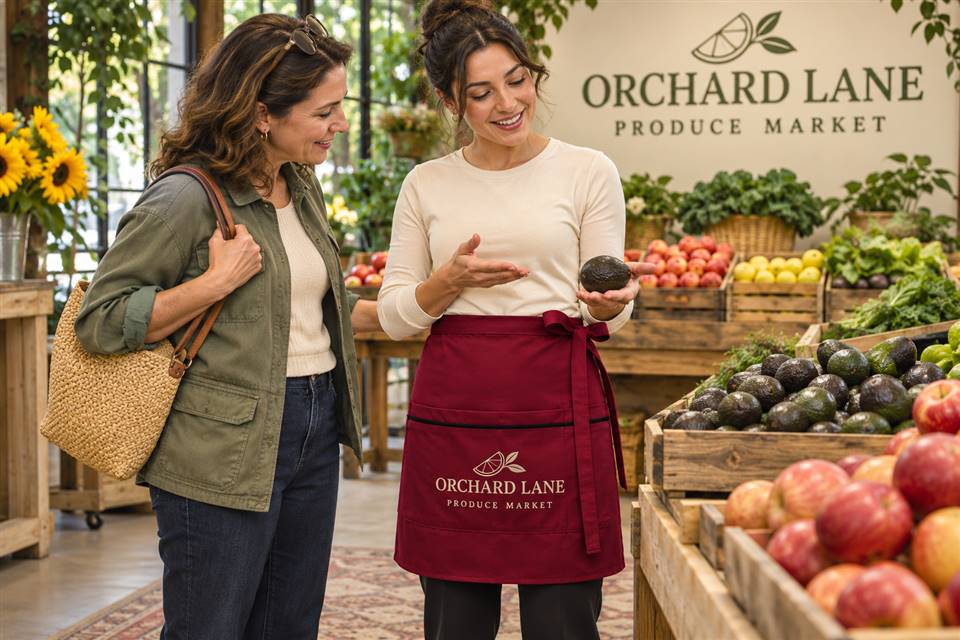
The avocado you want for tonight’s guacamole is not necessarily the one you want for a meal later in the week. At a produce market, begin with that difference. “Which is best?” becomes a much more useful question when the person helping you knows when and how you plan to eat it.
For immediate use, look for fruit that gives slightly to gentle pressure while still feeling firm, rather than mushy. A firmer avocado can suit a later meal. Confirm the variety, use color as a clue rather than a universal rule, and handle the fruit gently. If you are unsure, tell the produce staff your intended eating day and ask them to help assess what is available.
The question is more useful than a one-step trick
In an April 2026 avocado discussion, a shopper says color, stem tricks and pressure checks have all seemed inconsistent and asks for a more reliable approach. The replies include buying firm fruit and learning to recognize the stage one prefers.
These are personal accounts, with unverified identities and location, not a survey of U.S. shoppers. They illustrate a real decision gap: buying firm fruit for later is different from finding something suitable for dinner today. A rule to “always buy hard avocados” leaves the second shopper without an answer.
Start with the eating plan, then identify the variety
The California Avocado Commission’s selection guide describes ripe fruit as firm with a gentle give and suggests harder fruit when it will be served later. It also makes an important distinction: Hass skin darkens during ripening, while some other varieties stay green.
Read the variety on the display or ask which avocado you are holding. A photo of a dark Hass is not a color standard for every avocado on the shelf. Nor should “darker” become an instruction to choose the softest fruit in the pile.
Avocados From Mexico’s consumer guide considers color, texture and firmness together. Its touch description calls for a gentle give without leaving an indentation or finding a mushy feel. That is a better distinction than treating every degree of softness as equally useful.
Say whether you want slices or a softer texture for mashing. Then let the employee explain the current choices. If you will use several avocados on different days, ask about different stages rather than assuming a bag will reach your preferred texture all at once.
Check without pressing dents into the display
Support the fruit in your palm rather than pinching it between fingertips. Keep any pressure gentle; do not keep increasing force until something yields. If you cannot judge the difference, ask for a demonstration instead of repeatedly testing more fruit.
The Commission’s avocado ripening guide warns that localized soft areas may reflect bruising and recommends a gentle palm check instead of fingertip squeezing. A soft pocket is not the same observation as a small, even give.
There is also a useful caution in New Zealand Avocado’s selection guide: it emphasizes Hass color checks to avoid squeezing damage and separately notes that Reed remains green when ripe. The guides do not phrase touch checks identically. The practical common ground is careful handling, attention to variety and avoiding forceful repeated compression.
A color or touch check helps assess the outside; it does not let you inspect the flesh through the skin. The market should not promise that every avocado passing one check will be flawless inside.
Three shopping situations, with useful questions and answers
The following conversations are fictional examples. The quantities describe the shoppers’ requests, not recommended serving sizes.
1. You need avocados for tonight
Shopper: “I’m making guacamole this evening. Could you help me find two that are ready for mashing today?”
Useful staff response: “Let’s look at the fruit we have and check its stage gently. These feel firmer; I would not describe them as ready for tonight. I can check whether we have a riper option.”
The important result is an honest assessment. If nothing suitable is available, change the purchase or the meal plan. Calling a hard avocado “ready” will not make it so.
2. You want slices for a later meal
Shopper: “I’m shopping today for a meal in a few days and want slices that hold their shape. Which variety is this, and which stage would you suggest?”
Useful staff response: “We can compare a firmer option with the fruit that is ready now. Check its condition again as your meal approaches; I cannot promise an exact day from its appearance today.”
The eating day is a planning target, not a guaranteed countdown printed into the fruit.
3. You have two different uses
Shopper: “I want one for toast today and another for later. Could you show me which is which?”
Useful staff response: “Let’s choose them separately. This is the one we assessed for today; the firmer one is the later option. Keep that distinction clear when you unpack.”
A small purchase can still contain different stages. Buying more fruit is not a substitute for knowing which one you plan to use first.
For store owners, the greeting can be just as simple: “Are these for today or later, and will you be slicing or mashing?” Staff still need to assess the actual stock. A suggested response is not evidence that a particular shop has trained its team or completed a customer test.
Common questions at the avocado display
Why can a very dark avocado still feel hard?
Color is not a complete ripeness test. Avocados From Mexico’s retail guide even describes very hard fruit as sometimes black as well as green. Check the variety and consider the other signs rather than treating dark skin as a guarantee. If the signals seem inconsistent, ask the employee to help assess another option.
Can the shop guarantee when a firm avocado will be ready?
A staff member can help assess its current stage and suggest a choice for your plan, but an exact date is an estimate. The fruit’s starting condition and subsequent conditions matter. Recheck as the planned meal approaches rather than assuming every avocado in a purchase follows one calendar.
Can a microwave or oven ripen a hard avocado for tonight?
The California Avocado Commission advises against using either as a ripening shortcut: heat may soften the flesh without producing the flavor and texture of a properly ripened avocado. At the shop, look for an appropriate ready option or adjust the plan instead of relying on an instant fix.
Avocados From Mexico’s retail guidance describes different stages and cautions that color is not always the best indicator. Its commercial handling specifications are not a household ripening timetable. This article focuses on choosing whole fruit, rather than cutting, food-safety assessment or storage instructions.
Make it clear whom shoppers can ask
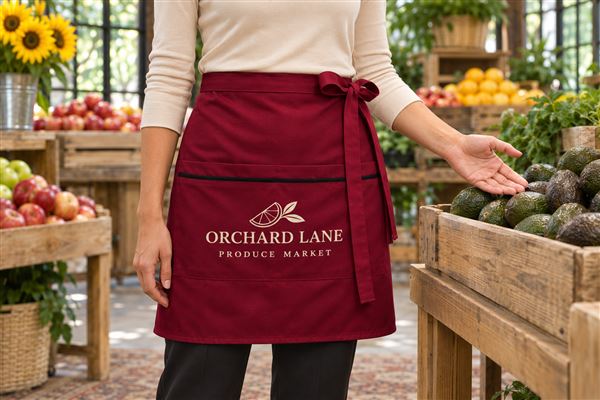
A friendly greeting, name badge or existing uniform may already make staff easy to identify. When a produce market wants a consistent branded clothing item, a waist apron is one option. The useful role is recognition; a logo does not establish produce expertise or change how an avocado ripens.
A waist apron with a clear staff identity
DecentCustom’s illustrated custom waist aprons listing offers front pockets and name, logo or pattern customization. This style starts at the waist; it is not a bib apron with a chest panel.
The page lists one size and directs buyers to its size details. Check measurements for the staff who will wear it, and confirm the fabric, color, order quantity and design proof. Keep the mark readable without obscuring the pocket openings.
Compare custom aprons and tabards for the available styles, or explore custom products from DecentCustom after deciding what would serve a useful purpose in your market.
Before ordering staffwear or changing the display, try the greeting with a person unfamiliar with your shop: can they explain which fruit they want for today and which for later? Use the answer to improve the conversation. That is a proposed check, not a completed study or a promise of fewer returns or higher sales.