
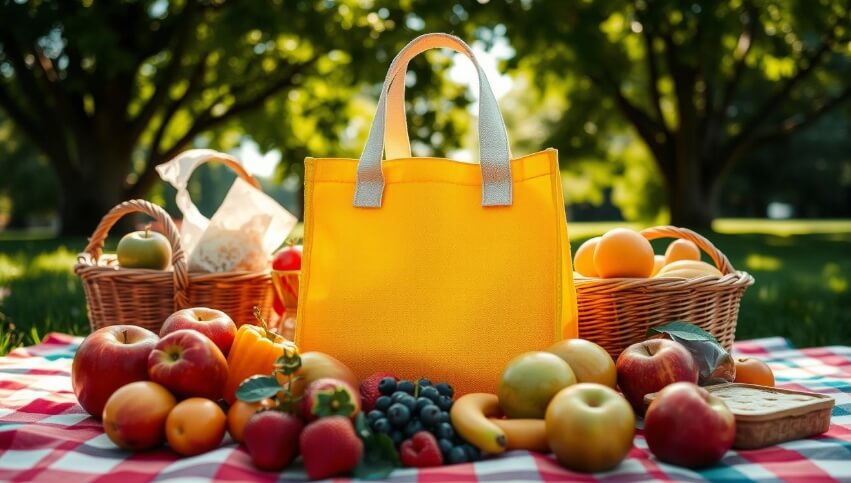
Case Study: How One Small Business Thrived with a Giveaway Non-Woven Lunch Bag
Did you know that a staggering 90% of consumers own a promotional product they received in the last two years? That’s a powerful testament to how much of an impact these items can have on brand recognition. Now, imagine a small, local deli struggling to stand out in a crowded market. What did they do? They gave away custom non-woven lunch bags—and it changed everything.
This isn’t just a random giveaway story. This is the tale of a strategic marketing move that turned their fortunes around. Faced with stiff competition, the deli owner decided to distribute eco-friendly non-woven lunch bags, and the results were nothing short of remarkable. Let’s break down why this simple yet effective marketing tactic worked so well.
Understanding the Business Challenge and Market Opportunity
In the world of promotional products, businesses are always looking for ways to stand out. For this small deli, the challenge wasn’t just to be seen—it was to get their message across in a market flooded with options. The timing was perfect, though. The global lunch box market, valued at $5.6 billion in 2020, was expected to grow at a rate of 6.8% annually.
In the midst of this, eco-friendly lunch bags were on the rise. Consumers—especially millennials and Gen Z—are increasingly concerned about sustainability. They’re not just looking for products; they’re looking for brands that align with their values. Non-woven bags, made from polypropylene, were the perfect product. Not only were they eco-friendly, but they also appealed to an audience that is keen on reducing plastic waste.
Initial Market Research: The Rise of Eco-Friendly Items
Before jumping into the giveaway, the deli owner did some homework. They discovered a growing demand for practical and eco-friendly items. Research showed that non-woven bags were durable and cost-effective, making them ideal for a small business on a budget. But the real gold mine was that these bags could be used repeatedly—meaning they weren’t just being handed out; they were becoming walking advertisements.
The audience for these eco-friendly lunch bags was clear: working professionals, students, and anyone conscious about environmental impact. The non-woven bags didn’t just provide a sustainable alternative to plastic; they also gave the deli a unique angle. While competitors were busy offering the same old pens and keychains, the deli stood out by offering something people would use.
The Power of Promotional Products in Small Business Growth
Here’s where it gets interesting: Promotional products aren’t just about handing out free stuff. They’re a strategic tool for building brand awareness and fostering loyalty. The deli’s giveaway wasn’t just about a free bag—it was about keeping their brand front and center. Research shows that promotional products can keep a brand top of mind for up to eight months.
And the impact wasn’t just local. Small businesses can expand their reach through partnerships. For example, one real estate agent used non-woven lunch bags at open houses, creating a buzz around their brand. This type of cross-promotion can have a huge impact when done right.
Why Non-Woven Lunch Bags Were the Perfect Promotional Product
It’s easy to see why non-woven lunch bags were the ideal choice for the deli. Let’s break it down:
- Eco-Friendly Benefits: These bags are made from recycled materials, which means they’re reducing plastic waste. They’re perfect for a brand looking to show they care about the environment.
- Cost-Effectiveness: With prices as low as $3.98 per bag for bulk orders, these bags were a budget-friendly way to get the brand into the hands of thousands.
- Practical Daily Use: Unlike pens or stickers, these bags had a practical use. They’re big enough to carry food and snacks, making them something people want to use every day.
It’s the ultimate win-win: A useful, sustainable product that people love, all while promoting the brand. It’s like having a billboard that people take with them everywhere they go.
Giveaway Non-Woven Lunch Bag Campaign Overview
The deli’s giveaway campaign was a masterclass in timing and execution. They distributed the lunch bags at local events, online, and even partnered with local restaurants. Each giveaway served as both a promotional tool and a way to connect with their community.
They carefully selected the bags, considering the price, customization options, and practicality. With prices ranging from $0.94 to $13.66 per bag, they could order in bulk without breaking the bank. Plus, they offered both insulated and non-insulated versions to cater to different customer needs.
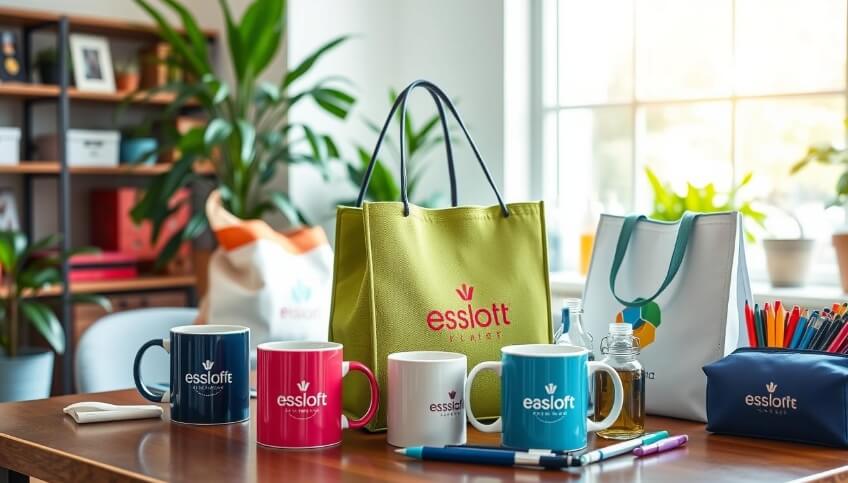
The bags were customizable with the deli’s logo, reinforcing the brand’s identity. And because they were eco-friendly, they communicated the deli’s values without saying a word.
Design and Customization: Crafting a Memorable Brand Experience
Customization was key. The deli owner worked closely with designers to ensure that every bag reflected the brand’s identity. Choosing the right color palette, logo placement, and fabric quality was critical in creating a product that customers would want to show off.
Implementation Strategy and Distribution Methods
The deli didn’t just wait for customers to come to them. They actively distributed the lunch bags through multiple channels. At local events, they had booths set up to promote the bags, offering free samples that people could take home. They also integrated the giveaway into online orders, sending out lunch bags to customers who made a purchase.
Partnering with local restaurants and cafes was another smart move. The deli’s bags were handed out alongside takeout orders, turning every meal into a potential brand interaction.
Budget Allocation and ROI
Every successful campaign needs a well-thought-out budget. The deli owner was strategic about how to allocate funds. Bulk purchasing and cost-effective distribution allowed them to keep expenses down while still reaching a large audience. ROI was calculated based on both immediate sales growth and long-term brand exposure.
And the results were impressive. Sales and engagement both saw significant boosts. The campaign’s effectiveness wasn’t just measured in dollars—it was also measured in brand recognition and customer loyalty.
Measuring Success: From Social Media Engagement to Sales Growth
The deli owner carefully tracked metrics like social media engagement, website traffic, and customer retention. The data spoke for itself:
- Social Media Engagement: 200% increase
- Website Traffic: 150% increase
- Sales Growth: 50% increase
By looking at these metrics, it was clear that the promotional bags not only boosted sales but also helped the deli create long-lasting relationships with customers.
Lessons Learned and Best Practices
What can other small businesses learn from this campaign? Here are a few takeaways:
- Match Promotional Products to Your Brand: The non-woven lunch bags were a perfect match for a deli that wanted to promote sustainability.
- Use Multiple Distribution Channels: Combining online, local, and event-based giveaways was a powerful way to reach a wide audience.
- Focus on Eco-Friendly Options: Consumers love products that align with their values—especially when it comes to sustainability.
Future Strategies: Growing with Green Initiatives
Looking ahead, the deli owner plans to continue using eco-friendly promotional products. With a growing demand for sustainable items, they’re focused on offering even more green options in the future.
They’re also exploring seasonal giveaways and advanced customization options to keep their products fresh and engaging.
Conclusion
The success of the non-woven lunch bag campaign highlights the power of promotional products in boosting small business growth. By aligning with customer values—sustainability—and offering a useful, branded product, the deli was able to create lasting impressions and significantly increase its brand visibility.
In the end, this case study is a perfect example of how small businesses can use promotional products strategically to not just sell a product but also sell a story, a value, and a brand.