
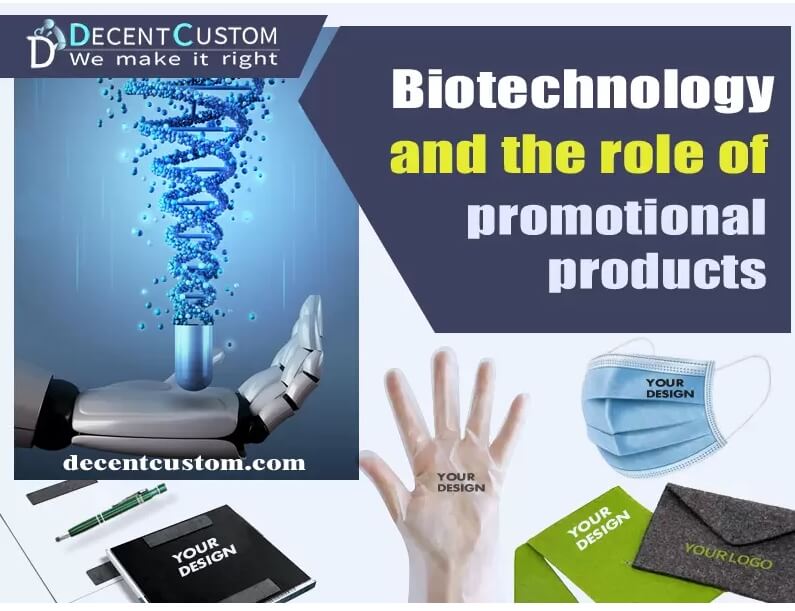
Understanding the Power of Promotional Products in Biotech Marketing
In the high-stakes world of biotechnology, where cutting-edge discoveries hold the promise of revolutionizing healthcare, standing out can be a daunting task. The biotech industry is not just about groundbreaking science; it’s also about how effectively these innovations are communicated and marketed. That’s where promotional products come into play. They might seem like a small piece of the puzzle, but their impact on brand visibility and consumer engagement can be substantial.
Imagine walking into a sprawling biotech conference filled with booths, each one vying for your attention. Amidst the sea of scientific posters and technical jargon, a booth catches your eye because of its eye-catching logo apparel and cleverly designed giveaways. This isn’t just about having cool swag; it’s a strategic move to make a memorable impression. In biotech, where trust and recall are crucial, promotional products play a significant role in helping companies stay top-of-mind long after the event ends.
Why Promotional Products Matter in Biotech Marketing
Promotional items, from branded pens to custom tote bags, are more than just free stuff. They serve as tangible reminders of a company’s brand, fostering familiarity and trust. When a potential client or partner uses a branded pen or wears a logo-emblazoned t-shirt, they’re repeatedly exposed to the brand, which helps solidify the company’s presence in their mind. This is particularly important in biotech, where building relationships and trust can significantly impact business success.
Consider a company launching a revolutionary new biotech product. To maximize its reach and impact, it might distribute promotional items that highlight the product’s key features. For instance, a biotech firm introducing a new diagnostic tool could give away branded magnifying glasses, cleverly linking the product’s utility to the giveaway. By integrating these items with other marketing efforts, such as targeted ads and informative articles, the company can create a cohesive narrative that attracts and engages potential customers.
The Challenges of Marketing Biotechnology
Marketing in biotech is not without its hurdles. The industry’s diverse audience ranges from researchers and healthcare professionals to investors and patients, each with distinct needs and decision-making processes. Crafting effective marketing strategies requires a deep understanding of these varied stakeholders. Researchers might be looking for cutting-edge technology that can advance their studies, while healthcare professionals need evidence of efficacy and reliability. Investors, on the other hand, are interested in market potential and growth opportunities.
Regulatory compliance adds another layer of complexity. Biotech marketing must adhere to stringent guidelines from regulatory bodies like the FDA and EMA. These regulations ensure that marketing claims are accurate and substantiated, which can limit the freedom companies have in promoting their products. Additionally, protecting intellectual property through patents is crucial, yet it comes with its own set of challenges, including the threat of competitors entering the market with similar offerings.

SEO Strategies for Biotech Marketing
In today’s digital age, a strong online presence is essential. Search Engine Optimization (SEO) plays a pivotal role in increasing visibility and driving traffic to biotech companies’ websites. Effective SEO starts with thorough keyword research. While broad terms like “biotech” might be highly competitive, focusing on long-tail keywords such as “biotech innovations in cancer treatment” can yield better results.
Internal and external linking are also crucial for boosting SEO. Internal links help search engines understand the structure of your website, while external links from reputable sources enhance your site’s authority. Improving website readability through structured data and schema markup can further enhance your search rankings. In a sector where technical jargon can be dense, clear, and accessible content is key to engaging a broader audience.
Creating Impactful Case Studies
Case studies are invaluable in demonstrating the real-world impact of biotech products. They provide concrete evidence of how a product has benefited users, backed by data and testimonials. For example, a case study might showcase how a new AI-powered diagnostic tool significantly reduced the time needed for analysis, thereby improving efficiency in a clinical setting. Including detailed results, such as percentage improvements and specific user feedback, adds credibility and helps build trust with potential clients.
Leveraging Different Marketing Formats
Biotech companies should use a variety of marketing formats to reach different segments of their audience. Written content, such as guides and infographics, is excellent for sharing detailed information and establishing expertise. Videos, including pre-recorded demos and live webinars, offer engaging ways to showcase products and interact with viewers. Email newsletters keep audiences informed and maintain engagement over time.
Distribution Strategies for Content
Effective content distribution is essential for ensuring that your marketing materials reach the right audience. Social media platforms like LinkedIn and Twitter are valuable for connecting with industry professionals and sharing updates. Email marketing, with its high conversion rates, is effective for targeted communication. Paid advertising can help increase visibility and drive traffic, while public relations efforts can boost brand awareness and credibility.
The Importance of Branding in Biotech
Branding is often overlooked in biotech, but it’s a critical component of marketing success. A well-developed brand identity, including a unique logo, color scheme, and tagline, helps a company stand out in a crowded market. A strong brand personality, communicated through a company’s website and marketing materials, can build emotional connections with the audience and attract investors.

Competitive Analysis and Market Positioning
In a competitive field like biotech, understanding how your products compare to those of your competitors is vital. This involves analyzing product features, pricing, and market positioning. Effective competitive analysis helps companies identify their unique value propositions and refine their marketing strategies to highlight these strengths.
Addressing Uncertainty and Side Effects
Biotech companies face unique challenges related to product efficacy and potential side effects. These uncertainties can impact market acceptance and increase the costs associated with clinical trials and post-launch monitoring. Clear communication and transparency are essential in addressing these concerns and building trust with stakeholders.
The Role of Promotional Products in Enhancing Brand Visibility
Promotional products, such as custom-branded items from Decentcustom.com, can significantly enhance brand visibility in the biotech industry. These items help companies stand out at events and build lasting impressions with clients and partners. Customized giveaways can also drive engagement and lead generation, making them a valuable addition to any marketing strategy.
Conclusion
In the dynamic world of biotechnology marketing, promotional products offer a powerful way to boost brand recognition and build meaningful connections. By understanding the diverse needs of their audience and leveraging various marketing formats, biotech companies can effectively share the value of their innovations. Investing in high-quality, useful promotional items can enhance brand recall and foster trust, ultimately contributing to the company’s success in a competitive market.