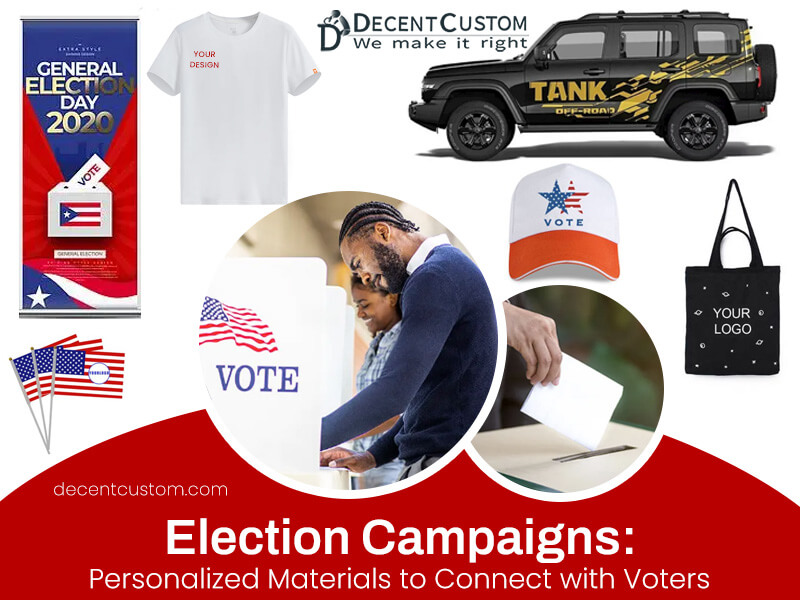

Election Campaigns: Personalized Materials to Connect with Voters
In the ever-evolving landscape of political campaigns, the importance of establishing a direct, personal connection with voters has never been more paramount. As we delve into the realm of personalized campaign materials, it’s crucial to understand how these tools not only enhance voter engagement but also foster a deeper sense of loyalty and support.
Introduction: The Evolution of Campaign Strategies
Modern election campaigns have come a long way from generic slogans and one-size-fits-all messaging. Today, the focus is on personalization—tailoring messages to meet the unique interests and concerns of individual voters. This shift is not merely a trend but a reflection of the evolving dynamics of voter psychology and campaign technology.
The Power of Personalization in Politics
Why does personalization wield such influence in political campaigns? The answer lies in the psychological impact of feeling seen and heard. Personalized materials resonate on a deeper level, transforming passive observers into active participants in the political process.
Types of Personalized Campaign Materials
- Direct Mail: Tailored letters and postcards that address voters by name, making a direct appeal to their preferences and concerns.
- Customized Digital Content: From personalized emails to targeted social media posts, digital platforms offer a myriad of ways to engage with voters on a personal level.
- Merchandise: Custom hats and other merchandise allow supporters to wear their beliefs literally, offering a personal touch to campaign paraphernalia.
- Text Messaging Campaigns: Direct and personal, SMS messages cut through the noise to deliver targeted messages right into voters’ hands.
Utilizing Data for Customization
Gathering and analyzing data is at the heart of personalizing campaign materials. However, this strategy comes with its own set of ethical considerations and privacy concerns. Successful campaigns navigate this terrain with care, ensuring voter trust remains intact.
Crafting Effective Personalized Messages
The essence of effective personalized messaging lies in its authenticity. Crafting messages that speak directly to individual concerns and aspirations can significantly boost engagement and loyalty.
Integrating Personalization Across Campaign Channels
A cohesive campaign strategy seamlessly integrates personalized materials across all channels. This unified approach ensures a consistent message and maximizes impact.
Challenges and Pitfalls to Avoid
While the benefits of personalization are clear, campaigns must navigate potential pitfalls, including privacy concerns and the risk of over-personalization.
Measuring the Impact of Personalized Campaign Materials
Tracking the effectiveness of personalized materials is crucial for optimizing campaign strategies. This section explores the tools and techniques for assessing engagement and adjusting tactics accordingly.
Conclusion: The Future of Personalized Campaigning
As we look ahead, the trend toward personalization in political campaigns is only set to grow. Embracing this approach offers a pathway to more engaged and loyal voter bases.
Looking Ahead
The future of personalized campaigning is bright, with emerging technologies and strategies promising even deeper levels of engagement and customization.
FAQ Section
What makes personalized campaign materials effective?
Personalized campaign materials are effective because they speak directly to the individual concerns, preferences, and values of voters. This personal touch makes voters feel valued and understood on a personal level, which can increase engagement, loyalty, and the likelihood of their support. Personalization leverages psychological principles of relevance and personal connection, making messages more impactful and memorable.
How do campaigns gather data for personalization?
Campaigns gather data for personalization through a variety of sources, including public voter registration databases, social media interactions, website analytics, and direct feedback from campaign events and outreach efforts. Sophisticated data analysis tools and CRM (Customer Relationship Management) platforms are also used to segment this data and identify patterns, preferences, and priorities among different voter groups. This enables campaigns to tailor their messages and materials more effectively to individual voters or specific segments.
Can personalized materials improve voter turnout?
Yes, personalized materials can significantly improve voter turnout. By making communications more relevant and engaging to each voter, campaigns can motivate those who might otherwise feel disengaged from the political process. Personalized outreach efforts, such as targeted reminders to vote, can also help overcome barriers to participation, making it easier for voters to understand how and where to cast their ballots.
What are the ethical considerations in using voter data for personalization?
The ethical considerations in using voter data for personalization revolve around privacy, consent, and transparency. Campaigns must navigate the delicate balance between effective personalization and respecting individuals’ privacy rights. This includes obtaining explicit consent where required for data collection and use, ensuring data security measures are in place to protect voter information, and being transparent about how data is used to personalize communications. Ethical personalization respects voter preferences and opt-out requests, ensuring trust and credibility are maintained.
How can campaigns measure the success of personalized materials?
Campaigns can measure the success of personalized materials through a variety of metrics, including engagement rates (e.g., open rates for emails, interaction rates for social media posts), conversion rates (e.g., donations, volunteer sign-ups), voter turnout rates in targeted areas, and sentiment analysis of voter feedback. Advanced analytics and A/B testing can also be used to compare the effectiveness of personalized materials against more generic approaches, providing insights into how personalization strategies can be refined and optimized for greater impact.