

The Role of Promotional Products in Product Launches: Boosting Brand Awareness and Sales
Did You Know? Companies Spend $20 Billion on Promotional Products—Here’s Why It Matters for Your Next Product Launch!
Promotional products may seem like small tokens—a custom coffee mug, a branded pen—but their impact is anything but trivial. Businesses in the U.S. alone shell out a mind-boggling $20 billion annually on branded merchandise. Now, that’s a big number, right? But it’s not just about the dollars; it’s about the why. Why are these companies investing so heavily in something as simple as a tote bag or a t-shirt?
I experienced the power of these seemingly modest items firsthand. Picture this: I was attending a tech startup’s product launch. The atmosphere was buzzing with anticipation. People were sipping artisanal coffee from custom styrofoam cups, casually chatting about the product. What stood out, though, was how these small branded items created a connection between the audience and the brand.
The branded coffee cups weren’t just disposable drink holders; they were little ambassadors of the startup’s new product. And that’s the beauty of promotional products—they don’t just exist; they speak. They tell your audience, “Hey, we’re here, and we’ve thought about how to make your experience special.”
Building Brand Loyalty, One Giveaway at a Time
Let’s face it, in today’s crowded marketplace, brand loyalty is like gold. How do you achieve it? One effective way is through promotional products. These items make a lasting impression, so much so that the average promotional item generates over 1,000 impressions each month, outshining many traditional forms of advertising. Think about it: while a social media ad might get a glance, a high-quality branded tote bag can be seen—and used—over and over again. That’s why big companies like Pfizer, General Motors, and AT&T spend millions on these products each year.
The simple truth is that branded merchandise outlasts digital ads. Who remembers the Facebook ad they scrolled past a week ago? But people will remember the pen they use daily at work, especially if it bears your logo.
The Best Items for the Best Impressions
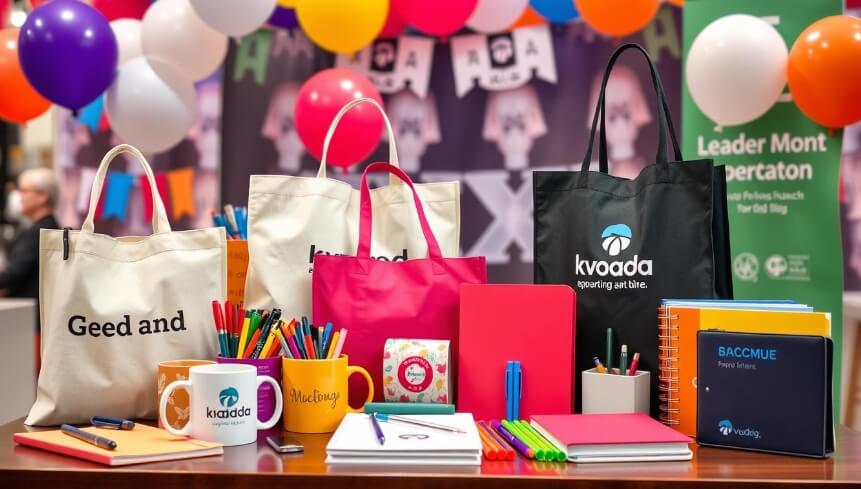
Some promotional products work better than others. Companies invest billions in items that are not only useful but also customizable, from apparel and pens to tote bags and drinkware. These are the items that become part of someone’s everyday life, constantly reminding them of your brand. Adding logos, colors, and even personal messages makes them not just functional but personal. Think about it: Wouldn’t you rather receive a stylish, branded hoodie than a generic keychain? You’re not just handing out swag; you’re creating experiences.
Why Timing Matters in Promotional Product Campaigns
Choosing the right item is only half the battle; timing is everything. Pre-launch teasers, day-of-launch buzz, and post-launch follow-ups can make or break a campaign. Ever heard of Budweiser’s genius move after the 2022 World Cup? They launched a branded water bottle that kept their name in conversations long after the last goal was scored. That’s the power of good timing.
The Human Element: Building Emotional Connections
Here’s where promotional products win out over most other forms of marketing: they build emotional connections. I’ve seen firsthand how a well-designed promotional item can create a buzz and leave people talking. You’re not just handing out objects; you’re giving people a tangible piece of your brand. 63% of people share the items they receive, extending your brand’s reach even further.
This emotional connection isn’t just about making people feel warm and fuzzy—it drives results. Statistics show that 76% of people can recall the brand name from a promotional product, compared to only 53% from a digital ad. And let’s face it, brand recall is the holy grail in marketing.
Why Fortune 500 Companies Love Promotional Products
Fortune 500 companies have been on this for years. Pfizer, General Motors, and AT&T know that branded merchandise is a marketing powerhouse. These big names allocate huge budgets—up to $85 million annually—because they see measurable returns. Why? Promotional products don’t just raise awareness; they also boost sales. And when your product is competing for attention in a saturated market, that’s the kind of edge you need.
Budget-Friendly, But Not Cheap: Balancing Cost and Quality
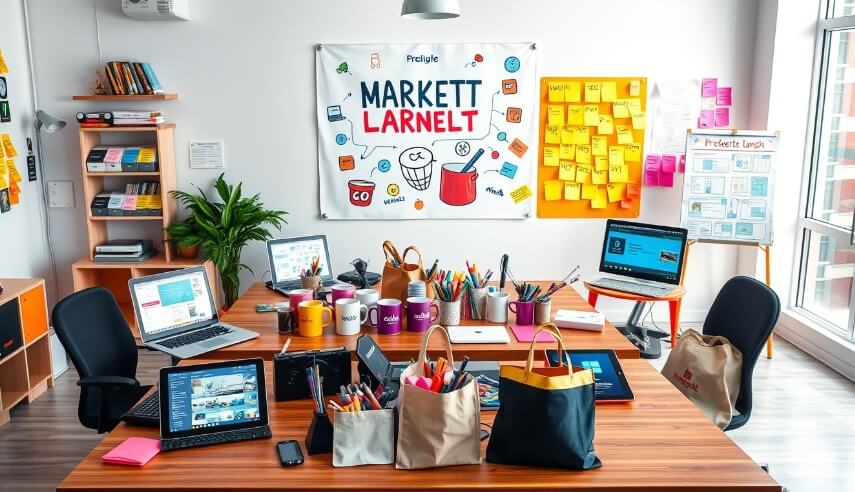
One common mistake businesses make is going for the cheapest option. But here’s the kicker: while promotional products are generally budget-friendly, quality matters. Sure, you can buy a thousand cheap plastic pens, but are those going to make someone remember your brand? High-quality items like custom hoodies, premium drinkware, or eco-friendly tote bags may cost more, but they also last longer—and so does your brand’s impression.
Case Studies: Big Wins with Promotional Products
Look at Coca-Cola’s “Share a Coke” campaign, where they personalized bottles with names. Simple, right? But it skyrocketed their sales and made their brand more recognizable. Nike took a similar approach with a custom sneaker giveaway, boosting social media engagement and brand loyalty.
Final Thoughts: It’s About More Than Just Swag
Promotional products may seem like small potatoes, but their impact on brand awareness and loyalty is enormous. These items serve as a bridge between your brand and your audience, creating connections that last far longer than any social media post or TV ad. If you’re gearing up for a product launch, don’t underestimate the power of a well-chosen, well-timed promotional product.
It’s not just about giving away stuff—it’s about leaving a lasting mark. So next time you’re planning a launch, think beyond the digital ads and consider adding a few well-placed, high-quality promotional items into the mix. You might be surprised by the results.