
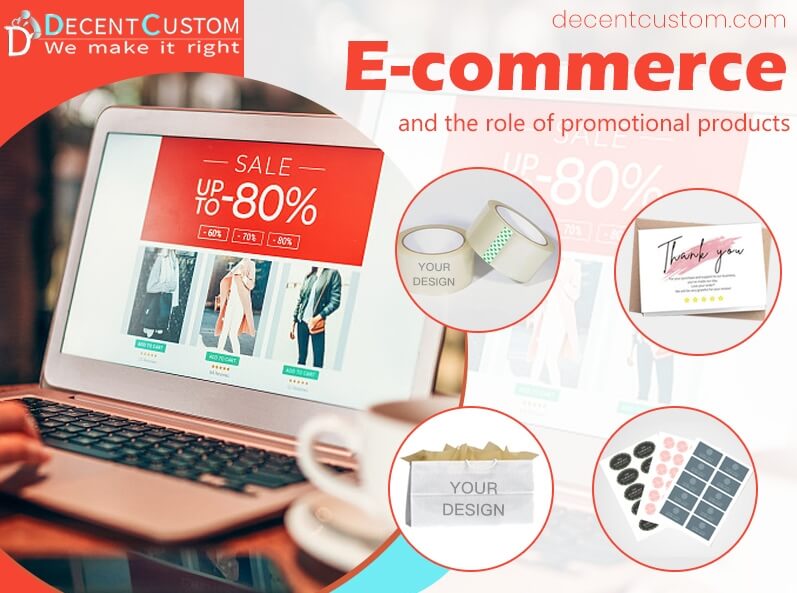
E-commerce and the Impact of Promotional Products
In today’s world, e-commerce is no longer just a convenience—it’s a lifestyle. With online shopping becoming the norm, e-commerce businesses are constantly on the lookout for strategies to stand out in an increasingly competitive market. One approach that has proven to be remarkably effective is the use of promotional products. It’s no surprise that the U.S. promotional products industry is worth a staggering $23 billion, as companies are finding that branded merchandise can leave a lasting impression on their customers.
Imagine you’re browsing through your favorite online store, and suddenly, a pop-up window offers you a custom tote bag with the company’s logo—for free. Suddenly, your ordinary shopping experience becomes memorable and personalized. This little gift transforms a simple transaction into a connection, leaving you more inclined to return to that brand in the future.
So why are promotional products so powerful in the e-commerce space? Let’s dive deeper.
Why Promotional Products Matter in E-commerce
Promotional products do more than just offer a nice bonus to customers—they serve as a key marketing tool that fosters both brand awareness and loyalty. Think about it: when a customer receives a branded item, whether it’s a stylish mug or a quirky keychain, they are essentially carrying your brand into their everyday life. These items keep your business top of mind. It’s no wonder that 85% of consumers remember the company that gave them a promotional product.
These items also work well as a cost-effective marketing tool. They create multiple impressions without ongoing costs. On average, promotional items cost just $0.004 per impression. That’s a minimal investment with significant returns when compared to other advertising channels like paid ads.
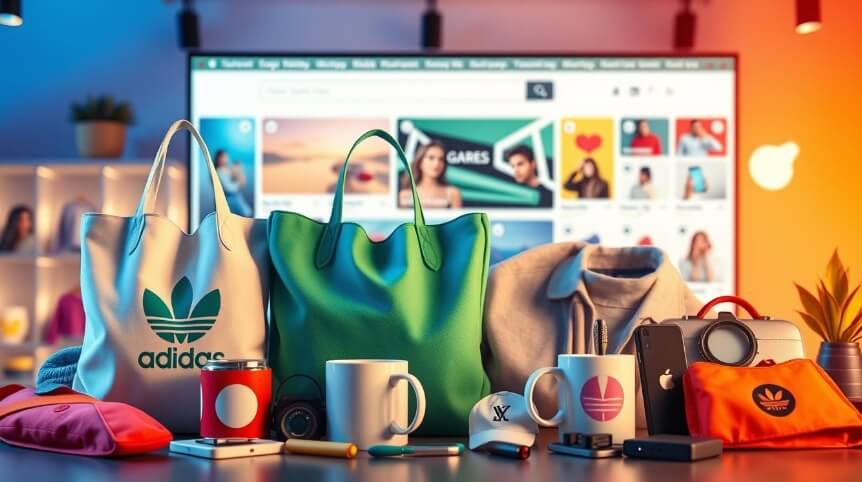
Making E-commerce Engaging
When brands use promotional products, they introduce an element of fun and personalization into what can otherwise be a transactional experience. It’s not just about giving away free stuff—it’s about building a relationship with the customer. In a digital world filled with endless options, companies that go the extra mile to create a personal connection often win out. These interactions are what turn one-time buyers into loyal brand advocates.
Moreover, as more businesses explore personalization and eco-friendly options, e-commerce stores are integrating these trends into their promotional offerings. Customizing products to suit individual customer preferences or opting for sustainable merchandise not only caters to current consumer values but also sets businesses apart from the crowd.
The Role of Sustainability in Promotional Products
With growing concerns about the environment, eco-friendly promotional products are not just a trend—they’re a necessity. Companies that embrace sustainability are often rewarded with greater customer loyalty. A reusable shopping bag branded with a company’s logo is not just practical—it signals that the brand is aligned with the customer’s ethical values.
Sustainability has become a major factor in purchasing decisions. Customers now seek out brands that offer eco-conscious options, from recycled materials to biodegradable packaging. By offering sustainable promotional items, businesses can engage customers who are not only interested in the product itself but also in the message behind it.
How Data Drives Successful Campaigns
In the digital age, data analytics are essential in shaping successful promotional product campaigns. E-commerce platforms collect vast amounts of customer data, allowing businesses to tailor their promotions to individual preferences. By targeting the right audience with the right products at the right time, companies can enhance both customer satisfaction and conversion rates.
For example, offering a customized tech accessory like a logo USB drive or phone case to a tech-savvy shopper based on their past purchases can make them feel recognized and valued. This personalized approach turns ordinary marketing into a targeted engagement that delivers results.
Case Studies: Promotional Success Stories
Several major brands have leveraged promotional products to achieve massive success in the digital space. Take Gymshark, for instance. By incorporating promotional items into their influencer campaigns, they managed to grow a loyal following early on and maintain consistent engagement. Similarly, Dollar Shave Club’s viral video campaign, coupled with branded swag, brought in over 27 million views, demonstrating the power of combining creative content with promotional products.
Alo Yoga, another major player, continues to use branded merchandise to reinforce its premium image, contributing to its $247 million annual revenue. These case studies show that when done right, promotional products aren’t just freebies—they’re key tools in a brand’s overall marketing strategy.
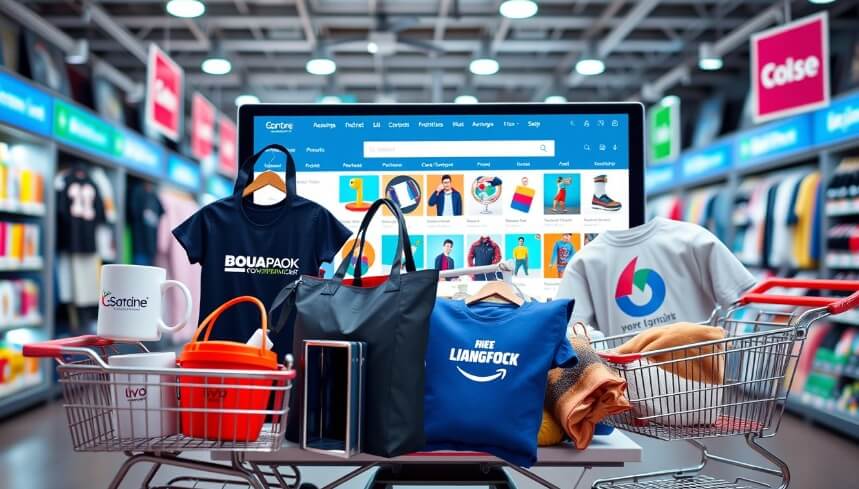
How to Choose the Right Promotional Products
Selecting the right promotional products can make or break a campaign. When choosing merchandise, consider these factors:
- Target Audience: Who are you trying to reach? Customizing your promotional items to fit your audience’s interests increases the likelihood of success.
- Brand Alignment: The product should reflect your brand’s identity. A luxury e-commerce brand should avoid low-quality items that don’t reflect its premium positioning.
- Quality and Usefulness: Give your customers something they’ll use. Items like high-quality water bottles, stylish tote bags, or tech accessories are more likely to be retained, creating ongoing brand exposure.
Future Trends in E-commerce and Promotional Products
As technology evolves, so too will the role of promotional products. We’re already seeing the rise of augmented reality (AR) and virtual reality (VR) in e-commerce, offering customers interactive and immersive shopping experiences. Imagine customers virtually “trying on” promotional apparel or placing branded products in their homes through AR before making a purchase.
Additionally, AI-driven personalization is poised to take promotional product campaigns to the next level. By analyzing customer data, AI can predict which items will resonate most with specific segments, creating even more targeted promotional strategies.
Final Thoughts
In an increasingly crowded e-commerce landscape, promotional products are more than just an afterthought—they are an essential tool for building meaningful relationships with customers. By offering personalized, high-quality, and even sustainable items, businesses can leave a lasting impression that keeps their brand at the forefront of consumers’ minds. As technology and consumer expectations continue to evolve, companies that leverage these promotional strategies will be well-positioned to succeed in the digital age.